
Hammertoes are the most common deformity affecting the smaller toes of the foot, including the second, third, fourth, and fifth toes. The joints of the toe become bent, giving them a hammer-like appearance. Patients in Lake Zurich and the surrounding Northwest Suburbs often experience thickened toenails, corns, or calluses on the top or tip of the affected toe. For individuals with diabetes, these corns and calluses can lead to ulceration (sores) and infection, making early evaluation especially important. Pain may be felt in the toes or in the ball of the foot, and many people with hammertoes struggle to find comfortable shoes. Over time, hammertoes can become painful, rigid, and inflexible, often requiring evaluation and possible surgical correction by a podiatrist in Lake Zurich, IL.
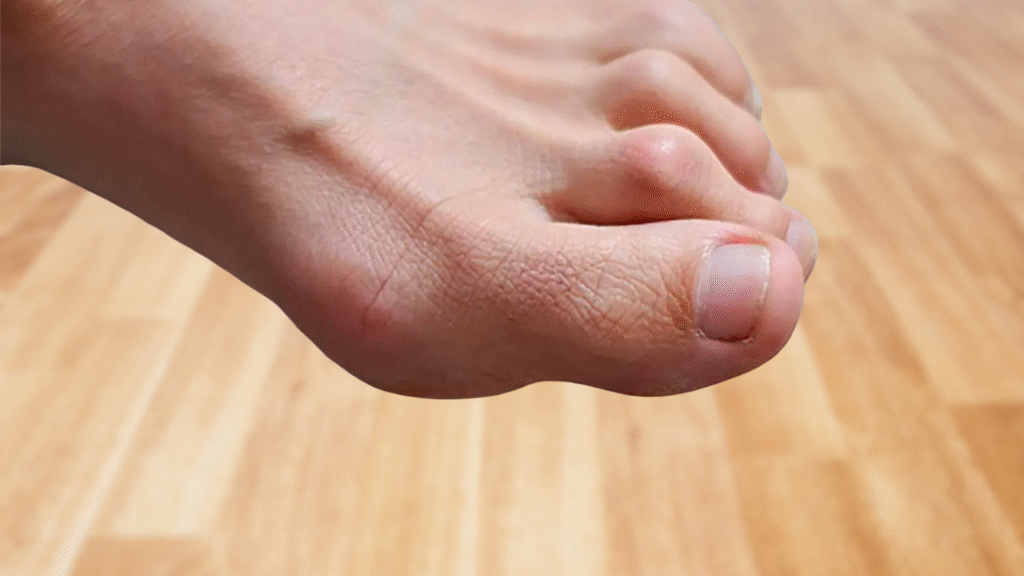
Hammertoes occur because of an imbalance in the muscles surrounding the toe joints. If the muscles are too tight or too weak, your toe will not be able to move the way it is supposed to. This muscle imbalance is due to a variety of factors, including:
There are many different treatment options for hammertoe deformities. In our office, your podiatrist will review your x-rays with you and determine the best treatment option for your specific condition, lifestyle, and goals. Hammer toe surgery may be performed by your podiatrist at a hospital, a surgical center, or in the office. Patients are able to go home the same day and follow up in the office weekly or every other week for x-rays and evaluation. Patients are able to bear weight and walk after hammertoe surgery but are advised to limit their activity for up to six weeks.
To reduce your risk of developing a hammer toe, consider changing your footwear. Please contact our office if you are suffering from hammer toes, and we will find the right treatment option for you!